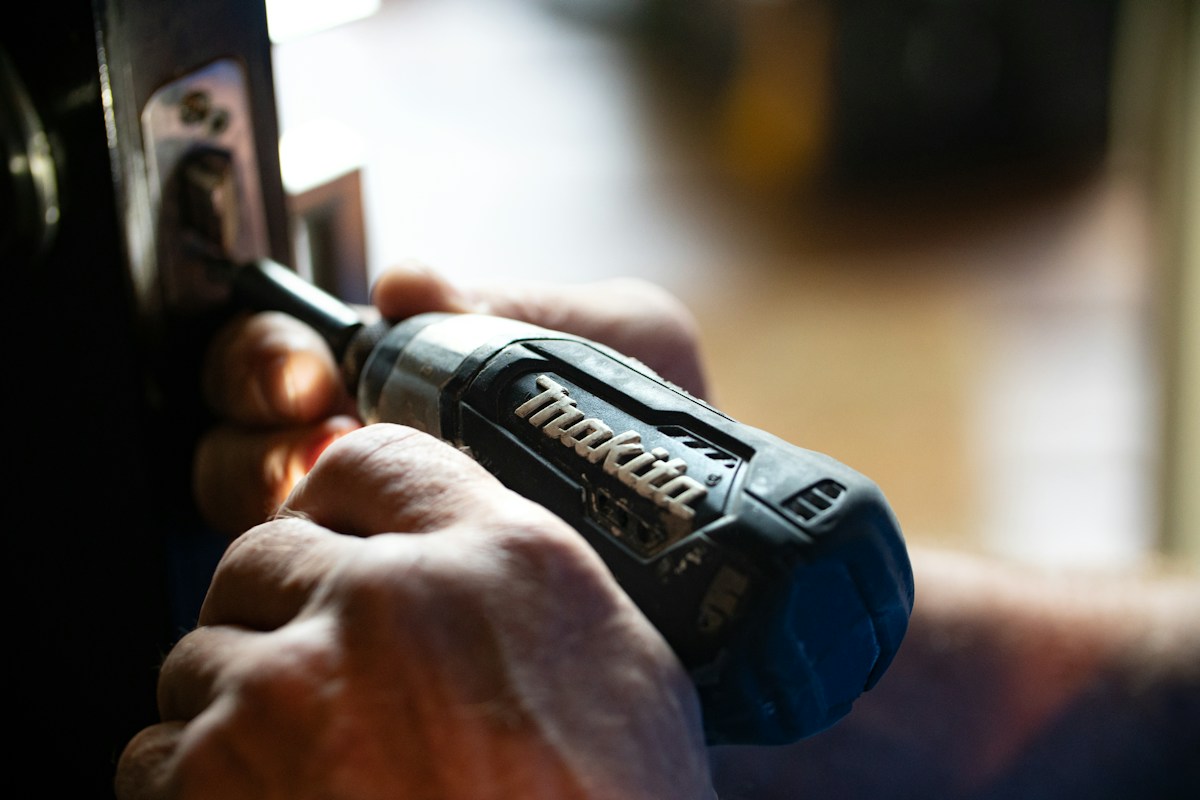
Mechanical lock failure and sudden residential lockouts represent acute perimeter security emergencies that instantly strand occupants, compromise building physical defense, and expose residential interiors to unauthorized breaches. When a high-security deadbolt mechanism seizes, a key shears off flush inside the keyway, or a door latch binds irreversibly inside a settling doorframe, standard ingress and egress pathways are severed. In extreme weather or urgent personal scenarios, property owners frequently panic, resorting to destructive entry methods such as shattering expensive window panes or kicking in structural doors, inflicting thousands of dollars in architectural framing and cosmetic damage.
Modern residential door hardware encompasses precision electromechanical engineering assemblies calibrated to microscopic machining tolerances. Far from being crude mechanical latches, contemporary Grade 1 and Grade 2 deadbolts incorporate hardened steel alloy cores, complex pin tumbler stacks, anti-drill ball bearings, and specialized perimeter strike boxes engineered to resist thousands of pounds of brute impact force. When an anomaly impedes cylinder rotation or deadbolt throw, the underlying pathology almost universally involves micro-mechanical misalignment, internal spring fatigue, or environmental contamination rather than terminal hardware destruction.
Executing an emergency lockout restoration demands an uncompromising dedication to non-destructive entry (NDE) methodologies. Professional locksmiths and security technicians possess advanced tactile and optical diagnostic capabilities that allow them to manipulate internal cylinder shear lines, extract broken key fragments, re-align bound latch bolts, and restore operational function without marring architectural door surfaces. Understanding the mechanical physics of lock cylinders, the metallurgy of key blanks, and the seasonal expansion dynamics of residential doorframes is essential for resolving lockouts efficiently.
This technical guide provides comprehensive operational procedures for diagnosing high-security deadbolt malfunctions, executing precision non-destructive lock picking, extracting fractured key blades, correcting structural door sag, and hardening residential entry points in strict compliance with federal physical security standards and international building egress regulations.
Pin Tumbler Cylinder Mechanics and Shear Line Alignment Physics
The vast majority of residential deadbolts and entry locksets rely on the pin tumbler mechanism, an electromechanical marvel originally patented by Linus Yale Jr. in the mid-nineteenth century. The cylinder consists of two concentric brass components: a solid cylindrical outer housing (the shell or hull) and an internal rotating cylinder (the plug) that directly turns the tailpiece or cam to retract the deadbolt throw.
Bored vertically through both the shell and the plug are a series of aligned cylindrical chambers, typically five or six in residential hardware. Inside each pin chamber rests a stack of miniature components: an upper compression spring, a top pin (driver pin), and a lower bottom pin (key pin). The boundary where the outer diameter of the plug meets the inner diameter of the shell is defined as the shear line. Under rest conditions, the internal compression springs push the driver pins downward, forcing them to bridge the shear line between the shell and the plug. Because solid metal pins span across this boundary, the plug is mechanically locked and cannot rotate.
The insertion of a properly cut mechanical key introduces precision physical bitting cuts along the key blade. Each bitting cut corresponds to the exact physical length of the key pin resting in that chamber. As the key fully seats, it lifts each key pin upward against spring pressure. When the correct key is fully inserted, the interface between the top of each key pin and the bottom of each driver pin aligns precisely with the cylindrical shear line.
With all driver pins elevated entirely into the shell and all key pins contained entirely within the plug, the mechanical obstruction across the shear line is eliminated. The plug can now rotate freely within the shell, driving the tailpiece through ninety degrees of travel to throw or retract the solid brass or hardened steel deadbolt bolt into the door jamb. Understanding this shear line geometry reveals why microscopic key wear of just a few thousandths of an inch prevents rotation; an under-lifted or over-lifted pin by zero-point-zero-zero-five inches leaves metal bridging the shear line, locking the cylinder completely.
In high-security cylinders complying with federal physical security standards cataloged under NIST physical protection guidelines, pin chambers are machined to tolerances within zero-point-zero-zero-one inches. These tight dimensional clearances prevent mechanical play, ensuring that only keys with exact factory bitting cuts can achieve the flawless shear line planar alignment necessary for cylinder rotation.
Furthermore, axial keyway broaching introduces complex paracentric warding along the cylinder plug. In paracentric keyways, curved metallic wards project across the central vertical axis of the keyway, creating an S-shaped or zig-zag channel. This tortuous physical profile prevents straight lock picking needles and tension tools from reaching directly beneath pin stacks without colliding with lateral brass wardings, requiring specialized ultra-thin picks measuring zero-point-zero-one-five inches in thickness.
Spool, Serrated, and Mushroom Driver Pin Anti-Picking Resistances
Standard pin tumbler cylinders utilize uniform, smooth cylindrical brass driver pins that offer minimal resistance to non-destructive picking tools. To counter picking attacks, modern Grade 1 commercial and premium residential deadbolts incorporate specialized security driver pins engineered with complex geometrical profiles, predominantly spool pins, serrated pins, and mushroom pins.
A spool pin resembles a miniature sewing spool, featuring a narrow central waist flanked by full-diameter upper and lower lip collars. When a technician applies rotational torque to the plug while picking, the spool pin lifts until its narrow waist reaches the shear line. At this point, the plug rotates slightly, entering a distinct state known as a false set. However, as the plug rotates, the full-diameter lower lip of the spool catches against the internal ledge of the shell chamber, preventing further rotation.
To lift the spool pin past the shear line, the technician must apply upward pick pressure while gently relaxing rotational torque on the plug, allowing the plug to rotate backward slightly, a tactile phenomenon termed counter-rotation. If counter-rotation is miscalculated, the sudden release of torque drops previously set pins back across the shear line, forcing the technician to restart the picking sequence from the beginning. Mastering counter-rotation tactile feedback is essential for non-destructively opening high-security deadbolts equipped with spool pins.
Serrated driver pins feature multiple micro-grooves machined horizontally around their outer circumference. When lifted under picking tension, each micro-groove catches against the edge of the plug chamber, giving false audible clicks that mimic a true shear line set. The technician must systematically distinguish between the shallow click of a serrated ridge and the solid, deep mechanical click of true shear line alignment. Combining spool driver pins with serrated key pins creates an exceptionally formidable anti-picking labyrinth that resists unauthorized mechanical entry for hours.
Mushroom pins feature a tapered, flared head resembling an inverted mushroom cap. Under rotational tension, the flared cap binds aggressively against the chamfered lip of the pin chamber, requiring delicate tension manipulation to clear the shear line. High-security cylinders typically arrange these security pins in alternating patterns (e.g., spool in chambers 1, 3, and 5; serrated in chambers 2 and 4), presenting an unpredictable diagnostic challenge that completely thwarts amateur bypass attempts.
Advanced high-security platforms augment pin tumblers with secondary locking sidebars and rotating chisel-tipped pins. In sidebar mechanisms (such as Medeco Biaxial systems), key pins must not only be lifted to the correct vertical shear line height but must also be physically rotated to exact angular degrees (e.g., twenty degrees left or right) by angled key bitting cuts to align slots in the side of the pins with a spring-loaded steel sidebar. Without simultaneous vertical and rotational alignment, the sidebar deadlocks against the cylinder shell, completely repelling conventional picking tools.
Broken Key Extraction Methodologies and Spiral Extractor Tooling
One of the most frequent emergency service calls encountered by locksmiths involves a mechanical key fracturing inside the lock cylinder, leaving the severed blade trapped deep within the keyway. Key fractures occur due to metal fatigue in soft brass or nickel-silver key blanks, excessive rotational torque applied to a bound deadbolt, or thermal shock during sub-zero winter freeze cycles.
When a key snaps off flush with the plug face, homeowners frequently make the catastrophic mistake of attempting extraction using tweezers, sewing needles, or paperclips. Pushing tweezers into the keyway invariably pushes the broken blade deeper into the cylinder, wedging it against the back stop or un-setting the pin tumblers. More destructively, applying superglue to the broken key head and inserting it into the lock bonds the brass blade permanently to the internal cylinder pins, completely ruining the lock and requiring total drill-out destruction.
Professional broken key extraction relies on specialized precision extractor tooling. The primary tool utilized by master locksmiths is the spiral extractor or barbed saw-tooth extractor. A spiral extractor consists of a fine, high-tensile spring steel wire featuring micro-machined, rearward-facing barbed serrations running along its length. Because the broken key blade fills the primary keyway, the technician must guide the ultra-thin extractor wire through the narrow clearance space directly alongside or above the key blade, sliding past the key bitting cuts.
Once the extractor reaches the deep terminus of the key blade, the technician rotates the tool ninety degrees to embed the sharp backward-facing barbs directly into the soft brass root of the key. With the barbs firmly biting into the metal, the technician applies steady, linear pulling force, drawing the severed key fragment smoothly out of the keyway. Prior to extraction, spraying a light burst of synthetic dry PTFE lubricant into the keyway reduces frictional drag against the pin tumblers, facilitating effortless extraction without damaging delicate internal cylinder springs.
In cases where the key fractured while partially turned, the plug is locked out of rotational alignment, preventing pin tumblers from dropping. Technicians must first utilize a tension wrench to rotate the plug back to its neutral twelve o’clock vertical position, relieving transverse binding pressure on the key blade before deploying spiral extractors. Once extracted, the two broken fragments are decoded using a key micrometer, allowing a fresh factory-cut original key to be cut on a code-cutting machine without replacing the lock cylinder.
Latch Bolt Binding, Door Frame Sagging, and Strike Plate Misalignment
In over sixty percent of residential deadbolt malfunctions where a key will not turn or a deadbolt will not throw smoothly, the lock cylinder itself is mechanically flawless. The actual underlying physical failure is severe mechanical binding between the projecting deadbolt bolt and the metal strike plate mounted on the door jamb, driven by seasonal building movement and foundation settling.
Residential structures undergo continuous dimensional shifting caused by seasonal fluctuations in ambient relative humidity and temperature. In summer, high humidity causes wooden doors and timber framing studs to expand, swelling the door slab tightly against the frame. In winter, dry heated indoor air shrinks wooden members. Concurrently, foundation soils settle, causing door jambs to shift out of plumb by fractions of an inch. A heavy solid-core wood or steel entry door also exerts continuous downward gravitational torque on its top hinge screws, eventually causing the top hinge to pull away from the jamb and the door slab to sag diagonally downward.
When door sag occurs, the solid brass deadbolt bolt no longer aligns with the center aperture of the metal strike plate. When the occupant attempts to turn the thumbturn or key, the bolt strikes the top, bottom, or side edge of the strike plate opening. Frictional binding force against the bolt can exceed fifty to eighty pounds of lateral pressure. Because standard deadbolts utilize rotating cams that lack high mechanical leverage, this transverse binding force prevents the internal tailpiece from retracting the bolt, causing occupants to assume the lock is jammed.
Diagnosing strike plate binding is simple: open the door into the room and turn the key or thumbturn while the door is open. If the bolt extends and retracts smoothly with zero resistance in the open air, the lock mechanism is fully functional, confirming that strike plate misalignment is the sole failure cause. Technicians correct this structural issue by replacing the short three-quarter-inch factory hinge screws in the top hinge with three-inch hardened steel screws driven fully into the structural two-by-four wall studs, pulling the sagging door slab back into plumb alignment.
If minor misalignment persists, the technician uses a rotary carbide burr or metal hand file to surgically enlarge the strike plate aperture by one-sixteenth to one-eighth of an inch. Expanding the strike opening restores smooth, effortless bolt travel without compromising the structural holding depth of the deadbolt.
Non-Destructive Single-Pin Picking (SPP) vs. Bumping and Raking Limitations
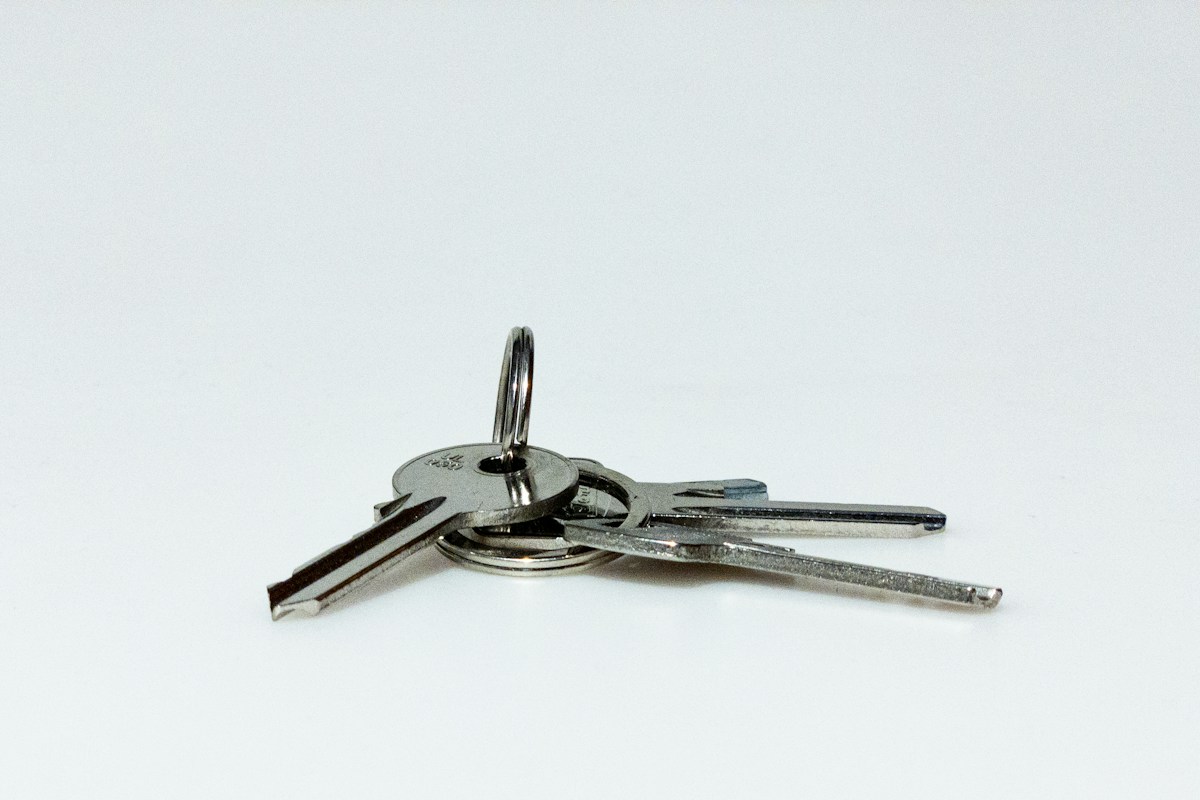
When emergency lockout entry is required, professional locksmiths deploy non-destructive entry methodologies categorized into kinetic picking, raking, and single-pin picking (SPP). Understanding the physical mechanisms and limitations of each technique dictates the tactical choice for opening a secured residence without damage.
Lock bumping is a kinetic energy transfer technique derived from Newton cradle physics. A specially machined bump key, featuring bitting cuts filed to maximum uniform depth (all cut to position 9), is inserted into the cylinder one notch short of full seating. The technician applies light rotational torque while tapping the key head sharply with a rubberized bump hammer. The impact transfers kinetic energy from the key face through the lower key pins into the upper driver pins. The driver pins leap upward into the shell, separating from the key pins for a fraction of a millisecond. If rotational torque is applied at the exact instant of separation, the plug turns past the shear line.
However, lock bumping possesses severe limitations in contemporary security environments. Most modern Grade 1 deadbolts incorporate internal bump-resistant features, such as counter-balanced driver pins of varying weights, shallow second-stage chambers, and high-tension springs that disrupt kinetic shockwaves. Furthermore, aggressive bumping risks mushrooming brass keyways and cracking internal cylinder faceplates, making it unsuitable for high-precision entry.
Raking techniques utilize wavy or jagged rake picks dragged rapidly back and forth across the pin stacks while light tension is applied, attempting to jiggle pins across the shear line through statistical probability. While raking opens low-security, loose-tolerance locks quickly, it fails completely against cylinders equipped with spool, serrated, or mushroom security pins, which instantly catch in false sets.
Single-Pin Picking (SPP) represents the definitive gold standard of professional non-destructive entry. Utilizing a delicate short hook pick and a rigid flat tension wrench positioned in the top or bottom of the keyway, the technician systematically tests each individual pin chamber to feel for the single binding pin (the pin binding first due to microscopic manufacturing drilling tolerances). The technician lifts the binding pin until it sets with an audible mechanical click, then methodically identifies and sets the next binding pin. SPP provides complete tactile feedback, allowing technicians to read counter-rotation on spool pins and bypass the most sophisticated residential security cylinders cleanly without a scratch.
Ultrasonic Lock Cylinder Cleaning and Synthetic Dry PTFE Lubrication
A chronic cause of sluggish deadbolt rotation, sticking pin tumblers, and key insertion resistance is the accumulation of environmental grit, oxidized brass filings, and dried, gummed lubricants within the pin chambers. Over years of domestic use, fine airborne dust and moisture combine with internal brass wear particles, creating a thick, black abrasive sludge that coats pin springs and plugs.
The single most destructive maintenance mistake made by residential homeowners is spraying standard multi-purpose penetrating oils (such as WD-40) or thick silicone lubricants directly into a lock keyway. Standard penetrating oils are formulated with petroleum distillates and light mineral oils; while they provide brief temporary lubrication, the oily residue acts as a chemical magnet for airborne dust, lint, and road grime. Within months, the oil evaporates, leaving behind a gummy varnish that cements pin tumblers inside their chambers, causing pins to seize and creating total lockout emergencies.
Restoring a severely contaminated cylinder requires total disassembly and industrial ultrasonic cleaning. The locksmith removes the cylinder from the deadbolt housing, pulls the retaining C-clip, and uses a plug follower to slide the plug free while capturing all pins and springs. The metallic components are immersed in an ultrasonic cleaning tank filled with a specialized aqueous degreasing solvent. High-frequency ultrasonic sound waves (forty kilohertz) generate millions of microscopic cavitation bubbles that implode violently against the brass surfaces, scrubbing away hardened varnish, carbon deposits, and oxidation from microscopic spring recesses within minutes.
Following ultrasonic cleaning, the components are rinsed with alcohol, dried with compressed air, and reassembled using strictly approved dry lubricants. The premier dry lubricant for precision lock mechanisms is sub-micron polytetrafluoroethylene (PTFE) dry film spray or micro-fine aerosolized colloidal graphite. Dry PTFE leaves a microscopic, ultra-slick fluoropolymer coating that bonds to metallic surfaces without leaving a wet or oily film. It completely resists dust adhesion, withstands temperature extremes from minus forty to plus four hundred degrees Fahrenheit, and provides years of frictionless, silent keyway operation.
Tubular Lock Decoding and Cam Lock Bypass Methodologies
While primary residential entry doors utilize standard pin tumbler deadbolts, secondary residential security enclosures (including exterior storage sheds, security screen doors, key safes, utility access panels, and mailbox clusters) frequently deploy tubular locks and rotating cam locks. Remediating malfunctions across these secondary perimeters requires specialized decoding and bypass methodologies.
A tubular lock (commonly known as an Ace lock) utilizes pin tumblers arranged in a circular circular array around a central cylindrical core. The key is a hollow steel cylinder featuring cut notches machined around its outer circular rim. When a tubular lock seizes or the key is lost, non-destructive decoding is accomplished using a precision tubular pick. A tubular pick features a circular collar with retractable steel feeler needles tensioned by an internal rubber O-ring.
As the technician gently rocks and presses the tubular pick into the lock face while applying rotational torque, the individual feeler needles are pushed backward by the spring-loaded pins until each pin aligns with the circular shear line. Once the lock turns open, a collar screw locks the feeler needles in place, transforming the pick into a decoded physical key that can be measured with a depth gauge to cut a permanent replacement key immediately.
Cam locks, prevalent on residential mailbox banks and metal utility cabinets, rely on a simple rotating tailpiece (cam) that swings ninety degrees to engage behind a metal frame lip. When cam locks freeze due to outdoor weathering, bypass protocols focus on manipulating the rear cam directly using thin stainless steel bypass shims, or utilizing specialized wafer rake picks that align the simple stamped brass wafers across the central plug slot. Restoring these secondary locks guarantees comprehensive physical security across the entire residential property footprint.
Drill-Resistant Hardened Steel Ball Bearings and Anti-Drill Plate Mechanics
When physical keyways sustain irreparable internal mechanical damage, such as catastrophic internal spring collapse or malicious vandalism involving foreign adhesive insertion, non-destructive picking becomes physically impossible, necessitating precision destructive entry. However, modern high-security deadbolts are deliberately engineered to resist drill attacks from unauthorized intruders.
Standard brass lock cylinders can be quickly breached by an intruder drilling a high-speed drill bit through the shear line, severing the soft brass pins. To completely neutralize drill attacks, Grade 1 security deadbolts (such as Schlage Primus, Medeco Maxum, and Mul-T-Lock) incorporate hardened steel armor plating and strategic internal ball bearings. The cylinder faceplate is backed by a case-hardened steel spinning disc that rotates freely under drill pressure, preventing standard drill bits from biting into the metal.
Furthermore, manufacturers press high-hardness tungsten carbide or case-hardened chromium steel ball bearings directly into the front of the brass plug, positioned directly in front of the shear line and pin chamber stacks. When a hardened steel drill bit encounters these embedded ball bearings, the immense hardness (exceeding sixty to sixty-five Rockwell C) deflects the drill bit laterally, snapping the bit or causing it to wander off target into the deadbolt housing.
Professional locksmiths executing authorized drill-out procedures must utilize specialized tungsten-carbide spade drills or cobalt-alloy multi-flute endmills running at low RPM (four hundred to six hundred RPM) under continuous cutting fluid cooling. Technicians drill at precise, mathematically calculated coordinates (typically eleven-sixteenths of an inch below the plug top) to surgically shear the top driver pin springs without destroying the outer deadbolt chassis. Once the pin chambers are relieved, the plug rotates cleanly, unlocking the door while leaving the deadbolt housing intact for simple cylinder replacement.
Smart Lock Electronic Solenoid Failure and Mechanical Key Override Protocols
The rapid adoption of electronic residential smart locks, keypad deadbolts, and biometric entry systems has introduced a new category of electronic and electromechanical lockout emergencies. Smart locks combine a motorized actuator or electronic solenoid with a traditional mechanical deadbolt throw, governed by digital microprocessors, wireless radios (Wi-Fi, Z-Wave, or Bluetooth), and internal battery packs.
The most common electronic smart lock failure is total battery depletion. When four AA alkaline batteries drain completely, the electronic keypad goes dead, leaving biometric sensors and keypad touchscreens unresponsive. Premium smart lock manufacturers address this failure mode through external emergency jump-start terminals. Located on the underside of the exterior keypad enclosure are two exposed metallic contact nubs designed to mate with a standard nine-volt alkaline transistor battery.
By pressing a fresh nine-volt battery firmly against these external terminals, low-voltage direct current power is bridged directly into the smart lock microprocessor, temporarily energizing the digital circuit board. The occupant can then enter their PIN code or scan their fingerprint to actuate the motorized deadbolt throw, gaining immediate emergency entry before replacing internal AA battery packs.
A more severe failure occurs when the internal motorized actuator undergoes mechanical gear stripping or solenoid burnout while the deadbolt is extended. In cheap smart locks lacking physical key overrides, gear seizure creates a total structural lockout. High-quality smart locks incorporate a physical mechanical key override cylinder concealed behind an exterior magnetic slide cover. Locksmiths access this hidden keyway to manually rotate the tailpiece with a physical key or pick tools, bypassing the seized electronic motor completely and restoring reliable manual operation.
Door Jamb Structural Reinforcement and Anti-Kick Strike Box Installation
A high-security deadbolt is only as strong as the doorframe it locks into. In standard residential wood construction, the exterior doorframe consists of thin, three-quarter-inch pine or composite wood jamb trim. Standard deadbolt strike plates supplied with retail hardware are secured with small, three-quarter-inch wood screws that penetrate only into this weak pine trim, providing virtually zero structural kick-in resistance.
Independent security impact testing demonstrates that an adult delivering a forceful kick to an unreinforced residential door easily splits the thin pine jamb along the grain line, popping the deadbolt bolt out of the wall in less than three seconds. Upgrading the deadbolt locking interface requires the mandatory installation of an engineered structural strike box assembly.
A heavy-duty structural strike box consists of a stamped steel box enclosure wrapped in heavy-gauge steel reinforcement plating, secured to the building structure using at least four three-inch hardened steel ceramic-coated screws. These three-inch screws pass completely through the thin pine door jamb, bridging the hollow one-inch shim space and anchoring at least two inches deep into the solid two-by-four double framing wall studs (jack stud and king stud).
Securing the strike box directly into structural wall framing anchors the deadbolt into the core skeleton of the residence. A door reinforced with a structural strike box and a solid-core wood or twenty-gauge steel slab can withstand kick-in forces exceeding two thousand pounds of dynamic impact, complying with the highest residential physical security standards maintained by the International Code Council physical safety standards. In addition, installing a wraparound steel door reinforcement plate (door reinforcer) around the lock cylinder prevents the door slab itself from splitting under heavy prying attacks.
Residential Door Lock Hardware Security Comparison Matrix
Navigating an emergency lock replacement or security modernization requires evaluating lock hardware security grades, mechanical drill resistances, bump protections, and key control credentials. Deploying substandard retail hardware compromises physical security and leaves residential perimeters vulnerable to rapid bypass.
The comparative diagnostic matrix below illustrates the mechanical specifications, physical security testing standards, and operational capabilities across the five primary residential lock hardware classifications. Facility supervisors and property owners can reference these benchmarks to select optimal perimeter defense hardware.
| Lock Hardware Classification | ANSI / BHMA Security Grade | Impact Bolt Resistance Rating | Anti-Pick / Anti-Drill Features | Target Application Domain |
| Commercial High-Security Deadbolt | ANSI / BHMA Grade 1 Certified | 10 Hammer Blows (360 ft-lbs dynamic) | Hardened steel balls, spool pins, patented key | High-value residential exteriors, estates |
| Standard Residential Deadbolt | ANSI / BHMA Grade 2 Certified | 5 Hammer Blows (225 ft-lbs dynamic) | Standard brass pins; optional spool driver | Standard residential exterior entry doors |
| Economy Builder-Grade Deadbolt | ANSI / BHMA Grade 3 Certified | 2 Hammer Blows (90 ft-lbs dynamic) | Zero drill protection; smooth brass pins | Budget multi-family units, interior doors |
| Motorized Smart Deadbolt (Keyed) | ANSI / BHMA Grade 2 / 1 Certified | 5 to 10 Hammer Blows (Impact rating) | Motorized clutch, 9V jump terminals, key override | Connected smart homes, short-term rentals |
| Keypad Keyless Deadbolt (No Cylinder) | ANSI / BHMA Grade 2 Certified | 5 Hammer Blows (225 ft-lbs dynamic) | 100% pick-proof & bump-proof (Zero keyway) | Low-maintenance utility entries, garages |
Adhering to these mechanical and physical security ratings ensures that residential perimeter hardware withstands both covert manipulation and aggressive physical impact attacks, guaranteeing robust physical protection for household occupants.
Frequently Asked Questions Regarding Emergency Lockouts and Deadbolt Repairs
What is the very first step an occupant should take when locked out of their residence?
The first step is to thoroughly check all secondary perimeter doors and ground-level windows before attempting any forced entry. Frequently, a back patio slider, garage side door, or second-story window may remain unlocked. If no secondary entry exists, the occupant should contact a certified professional locksmith who provides non-destructive entry rather than breaking glass or kicking doors.
Why should standard WD-40 never be used to lubricate a sticking lock cylinder?
Standard WD-40 is a solvent and light petroleum lubricant that leaves behind an oily film inside the cylinder. This sticky film acts as a magnet for airborne dust, dirt, and lint. Within weeks, the carrier solvents evaporate, transforming the residual oil into a thick, gummy sludge that jams internal pin tumblers and causes total lock seizure; only dry PTFE or graphite should be used.
Can a broken key blade be safely extracted using tweezers or superglue?
Using tweezers or superglue to extract a broken key is extremely destructive and consistently fails. Tweezers push the broken blade deeper into the keyway, wedging it tightly against the back stop. Applying superglue to a key head bonds the broken blade and pin tumblers permanently to the cylinder wall, completely destroying the lock and requiring total drill-out destruction.
What causes a deadbolt to turn smoothly when the door is open but bind when closed?
This symptom confirms severe strike plate misalignment caused by seasonal door swelling or doorframe sagging. The lock cylinder is functioning normally, but when the door is closed, the projecting deadbolt bolt collides with the metal edge of the strike plate, creating heavy friction that prevents the key or thumbturn from turning.
What is the difference between a lock rekey and a complete lock replacement?
Rekeying involves retaining the existing lock hardware and deadbolt housing while removing and re-pinning the internal cylinder to match a completely new mechanical key cut, rendering old keys inoperable. Lock replacement involves completely discarding the entire hardware assembly and installing brand new locks. Rekeying is significantly more economical when existing hardware is sound.
How does a smart lock emergency 9-volt battery jump-start terminal function?
Smart locks feature two exposed metal contact nubs on the bottom of the exterior keypad enclosure. When internal AA batteries die completely, pressing a standard 9-volt alkaline battery firmly against these terminals bridges direct current into the lock microprocessor, providing temporary operating power so the user can enter their PIN code and unlock the door.
What does ANSI / BHMA Grade 1 certification indicate on residential deadbolts?
ANSI / BHMA Grade 1 represents the highest commercial and residential security rating established by the American National Standards Institute. A Grade 1 deadbolt must withstand one million operational opening cycles, resist ten heavy hammer blows (360 foot-pounds of dynamic impact force), and feature a full one-inch hardened steel bolt with anti-saw rollers.
Why are spool driver pins installed inside high-security lock cylinders?
Spool driver pins feature a narrow central waist that catches against the internal lip of the cylinder shell when picking tools apply rotational tension. This creates a false set, trapping the pick and requiring precise counter-rotation to clear the shear line. This complex mechanical feedback effectively thwarts amateur lock pickers and automated picking tools.
How do 3-inch screws in the strike plate prevent door kick-in burglaries?
Standard three-quarter-inch strike plate screws penetrate only into the weak pine door jamb, which easily splinters when kicked. Three-inch hardened steel screws pass through the jamb and shim space, anchoring at least two inches deep into the structural double two-by-four wall studs, transferring kick-in impact energy directly into the solid building skeleton.
Actionable Long-Term Perimeter Security Hardening and Key Control Roadmap
Establishing dependable residential physical security requires transitioning from emergency lockout intervention to a structured, comprehensive perimeter hardening framework. The immediate post-emergency milestone must focus on complete key control verification. Whenever possession of keys is compromised or moving into a newly purchased residence, property owners should execute an immediate whole-home rekey, re-pinning all exterior cylinders to a single master key system, and ensuring all previous duplicate keys are permanently rendered inoperable.
Every residential homeowner should upgrade all primary entry points to ANSI Grade 1 certified commercial-grade single-cylinder deadbolts. Deadbolts must feature a solid one-inch throw bolt containing internal spinning hardened steel anti-saw pins, free-spinning cylinder collars that resist wrench twisting, and high-tensile anti-drill faceplates. Ensuring that the exterior deadbolt housing is secured with heavy five-sixteenths-inch steel thru-bolts completely eliminates prying attacks.
To permanently eliminate doorframe kick-in vulnerabilities, property owners should install heavy-duty reinforced steel strike boxes secured with four three-inch ceramic-coated structural screws anchored directly into wall studs. Installing a full-length heavy-gauge steel latch protector (interlocking astragal plate) across outswing doors prevents credit card slips and prying tools from reaching latch bolts, establishing an impenetrable physical barrier.
Finally, property owners should establish an annual preventative maintenance routine that includes cleaning all lock cylinders with aerosolized dry PTFE lubricant, tightening loose handle set screws, and checking door hinge screw torque. Maintaining this disciplined security posture eliminates frustrating lockout emergencies, extends the operational lifespan of precision hardware, and guarantees robust, fail-safe physical protection for residential occupants across decades of service.